Waste from mines and quarries
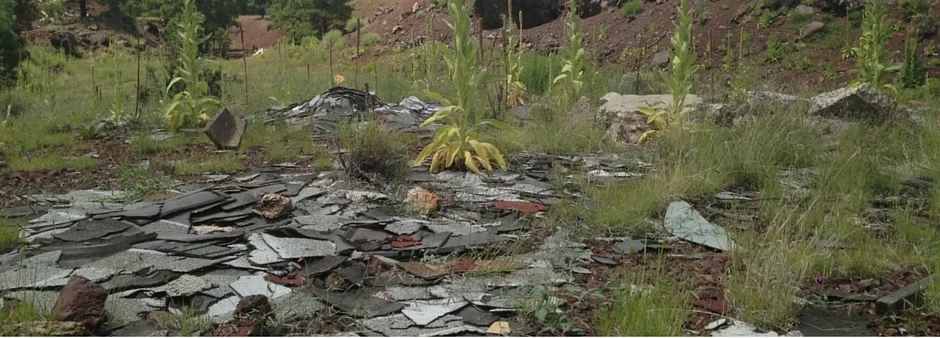
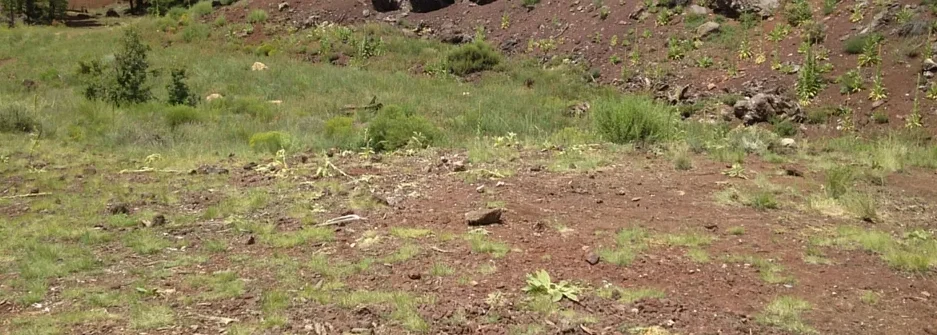
Waste from mines and quarries It can cover a large area of land and have a detrimental impact on air, water and soil unless it is well managed.
Waste from electrical energy production
The amount of waste from energy transformation depends on the fuel used, but some data on the amount of waste generated can be derived from the amount of electricity produced.
Hydropower plants and gas-fired power plants do not generate solid waste. While thermal power plants that run on coal and other fossil fuels produce a large amount of waste such as ash and other. This means that shifting electricity production towards cleaner and renewable sources of energy production will result in a reduction in the amount of waste.
Hazardous waste
Hazardous waste is waste that contains substances that have one or more properties such as: explosivity, reactivity, flammability, irritation, toxicity, infectivity, carcinogenicity, etc.
As a result of the hazardous substances contained in hazardous waste, it poses a serious risk to the environment and human health if not managed properly and safely. Certain sectors of the economy produce hazardous waste, the largest of which is the manufacturing industry. As with other waste, the establishment of legislation, adequate training of personnel for its management, and increasing public awareness are the main elements for the safe management of hazardous waste.
Regulations
1. The Law on Environment
2. Law on Waste Management
Basel Convention on the Control of Transboundary Pollution of Hazardous Wastes and their Disposal
Amendment to the Basel Convention on the Control of Transboundary Pollution by Hazardous Wastes and their Disposal and Amendment to Annex I, Annex VIII and Annex IX
3. Waste Management Strategy of the Republic of Macedonia (2008-2020)
4. National Strategy for Sustainable Development in the Republic of Macedonia (2009-2030)
5. Law on Packaging and Packaging Waste Management
6. Law on Management of Batteries and Accumulators and Waste Batteries and Accumulators
7. Management of electrical and electronic equipment
8. Law on Management of Additional Waste Streams
9. Law on Extended Producer Responsibility for the Management of Special Waste Streams
Waste
Global environmental problems largely stem from the overexploitation of natural resources and an unsustainable model of economic development, which generates large amounts of waste and pollution. Many resources are used in the short term and then lost through landfill, which causes additional pressure on the environment.
In response to these challenges, the concept of circular economy, which aims to use resources more efficiently, reduce waste and retain the value of materials for as long as possible. Waste management is a key part of this concept.
In North Macedonia, waste management regulations are aligned with The European Green Deal and The Green Agenda for the Western Balkans, with the aim of better environmental protection, increasing recycling and limiting landfilling.