
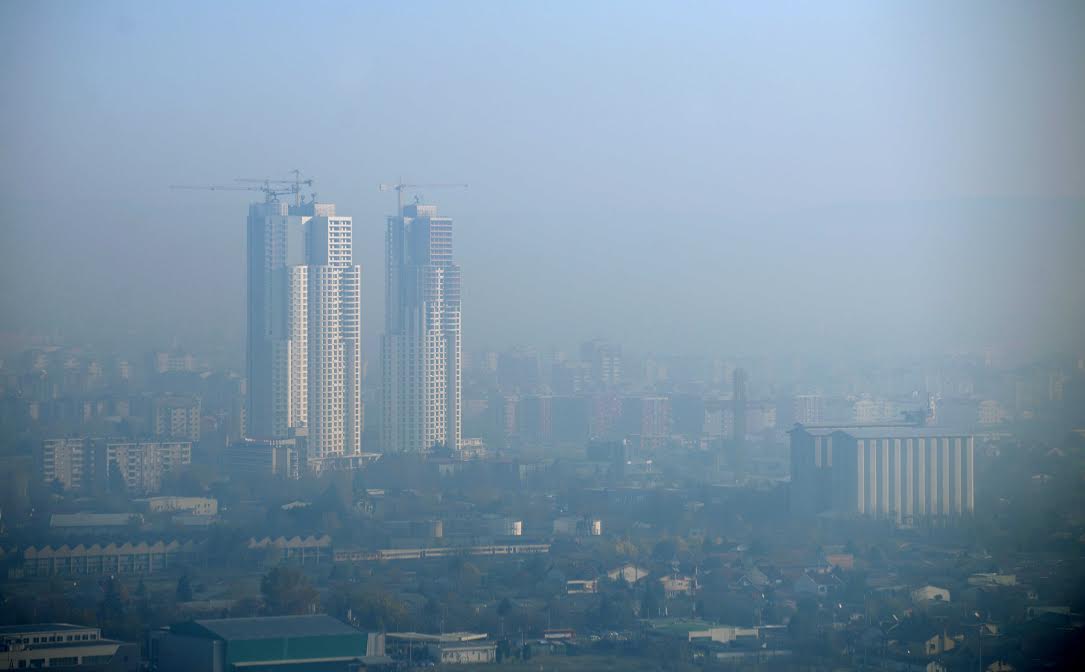
Phenomena are taking place that are difficult to control, large quantities of pollutants are being released, the greenhouse effect is occurring, the ozone layer is being damaged, and emissions of pollutants are increasing. 

These are the effects of rapid technological development, industrial development, frequent accidents and other activities dictated by modern human life, as well as natural disasters (earthquakes, floods, fires, volcanic eruptions).

Air

Taking into account all these indicators, i.e. changes at a global level, it is necessary to take measures to improve the situation, especially air quality.

For this reason, it is of particular interest to have data on the origin, presence and impact of pollutants present in the air, in order to take measures for their reduction. Therefore, the Macedonian Environmental Information Center collects, processes and analyzes data on air emissions from individual sources as well as air emissions from traffic.

REGULATIONS
Laws, by-laws and other regulations related to the protection of nature and biodiversity. The documents provide a clear legal framework for action and are in accordance with national legislation and relevant European standards.

INSTRUCTIONS
Documents that explain the standards, procedures and measures for controlling and reducing air pollution, in order to improve ambient air quality

PERMITS
Public approvals or licenses issued by competent institutions, which regulate pollutant emissions and other aspects related to the protection of ambient air

In order to determine the state of concentrations of pollutants in ambient air, regular monitoring is carried out with the State Automatic Monitoring System for Ambient Air Quality, as well as the measuring stations of other competent institutions.

After proper processing of the data, they can be used to inform the public, prepare documents, and take actions to improve air quality and plans for its protection.

Regulations

A legal mechanism that sets standards and measures for controlling and reducing air pollution. This includes identifying and regulating emissions from industry, traffic, and other sources of pollution.

In the following years, four amendments and supplements to it were prepared and adopted (Official Gazette of the Republic of Macedonia No. 92/07, 83/09, 35/10, 47/11) in order to harmonize it with EU air legislation, and in particular with the Clean Air Directive for Europe (CAFE Directive) which was adopted by the European Parliament in 2008.

A legal mechanism that sets standards and measures for controlling and reducing air pollution. This includes identifying and regulating emissions from industry, traffic, and other sources of pollution.
The Law on Ambient Air Quality provides a legal basis for regulating:
  • types of pollution sources;
  • unique limit, target values, information and alert thresholds;
  • ambient air quality management;
  • assessment of ambient air quality;
  • planning for the protection of ambient air quality;
  • monitoring of ambient air quality and emission sources